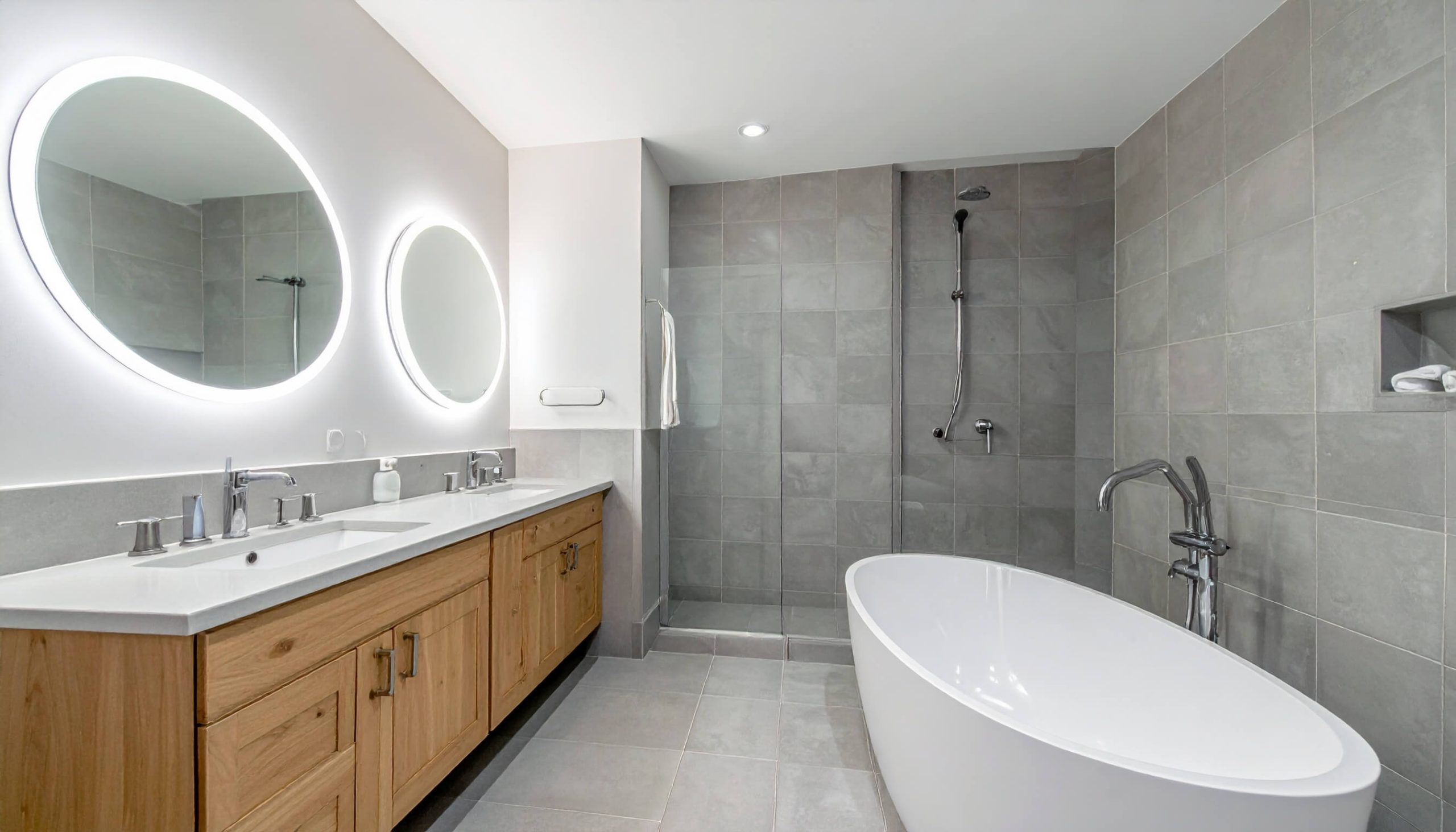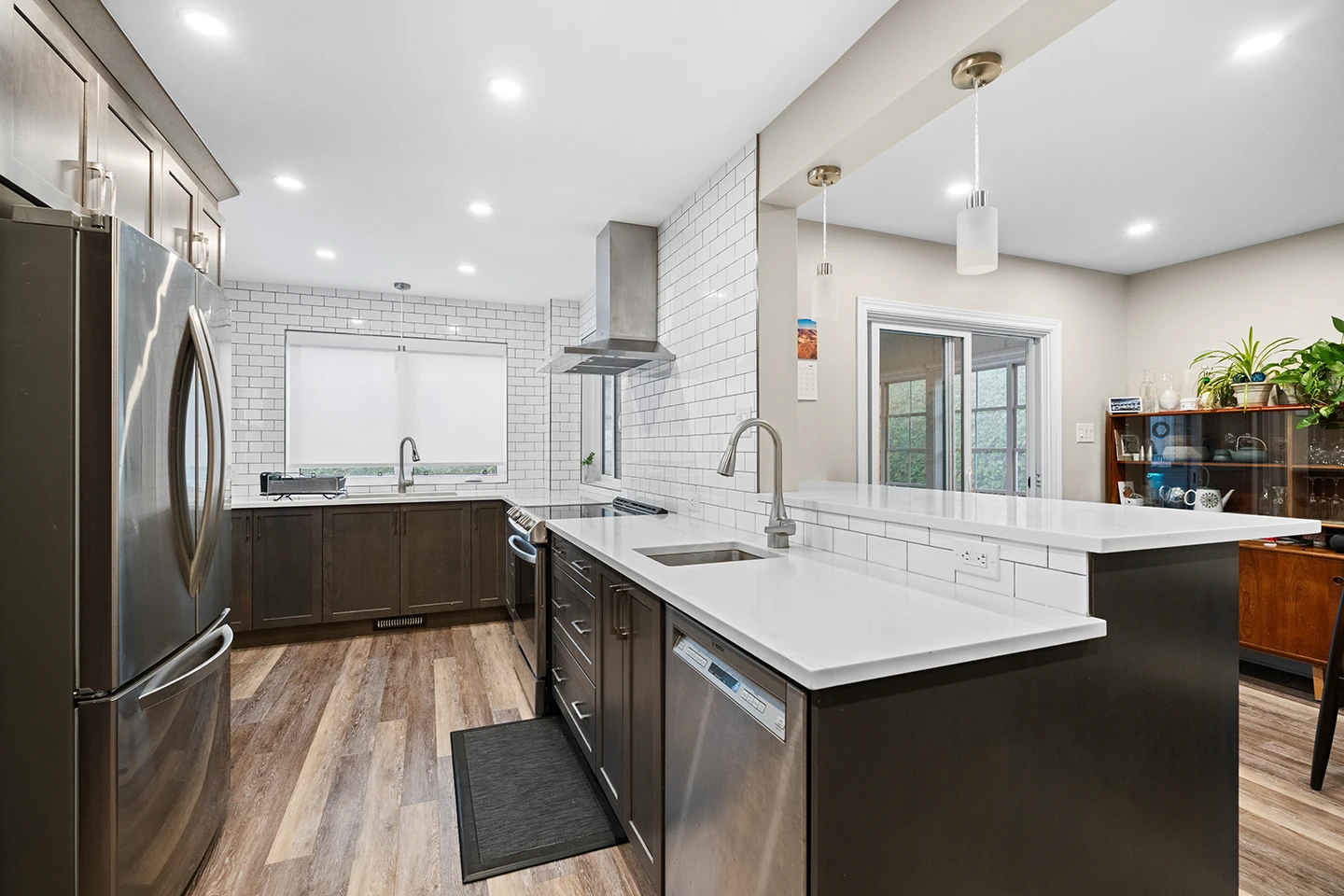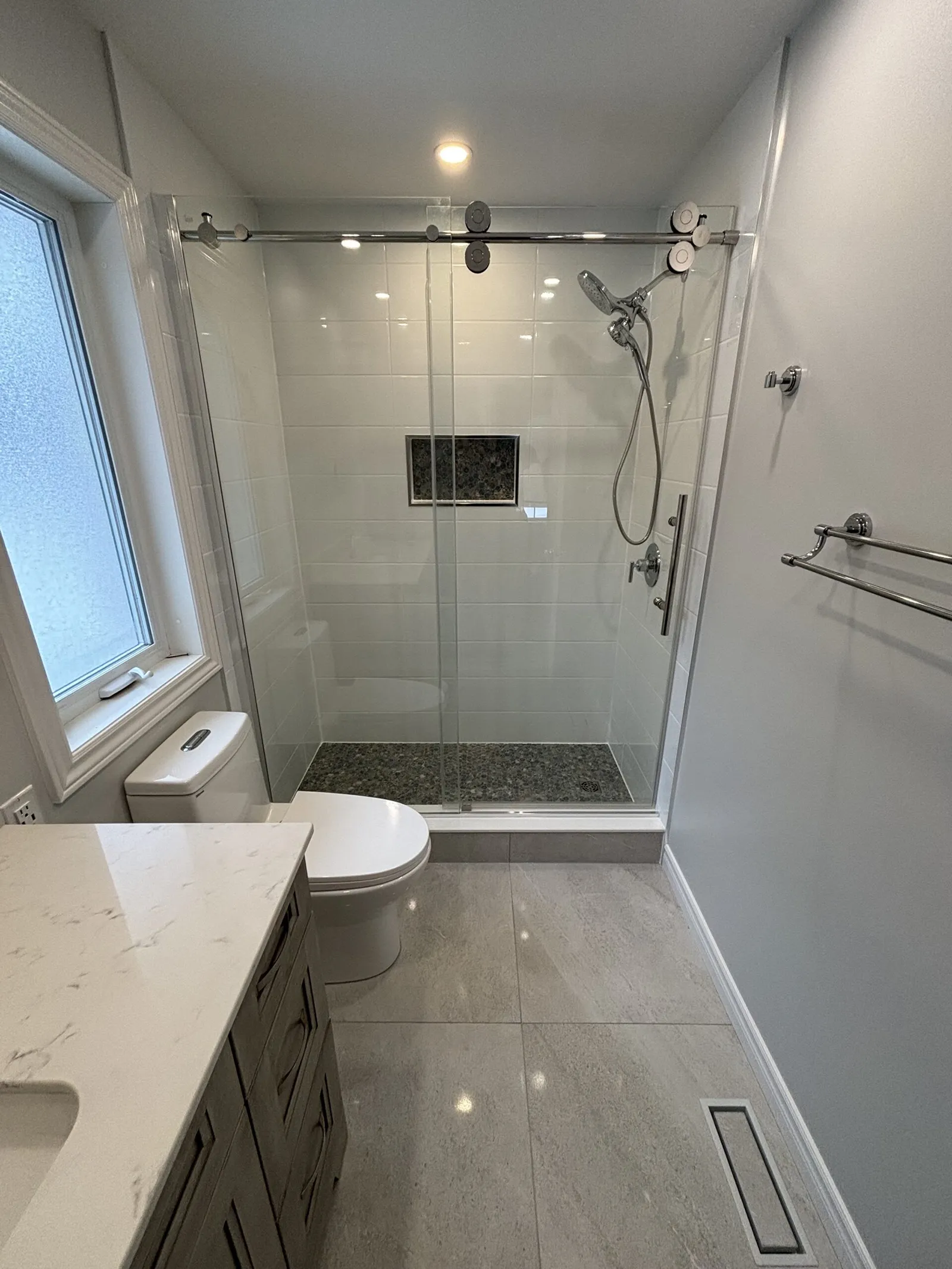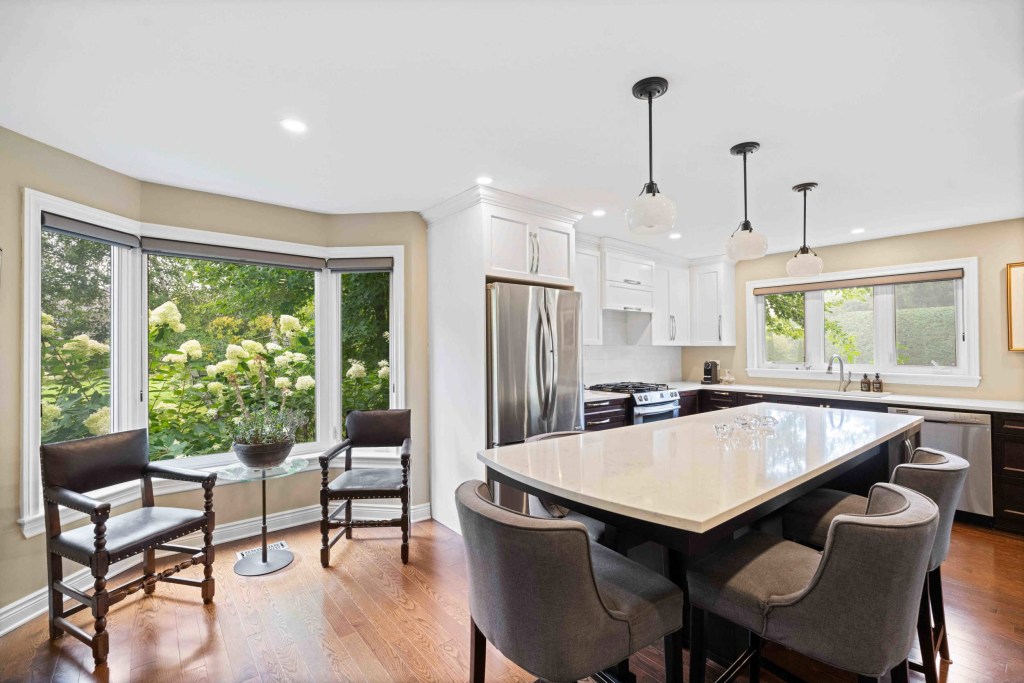
If your home is starting to feel outdated, you may feel inclined to take on every room at once. But when that’s not realistic, how can you decide which part of your home should be first? That’s where the NeighborBuild team comes in. Below, let’s explore how to decide which room to renovate first when planning a home renovation in Ottawa.
Start With What’s Not Working
Every home renovation is different in both size and scope. Though it’s easy to simply start with the area that feels most out of place, it’s also important to consider the functionality it provides. Take a look at your home and identify the area that interrupts your routine. A cramped kitchen layout, a bathroom with no storage, or a main floor that blocks foot traffic are all functional problems worth prioritizing.
Once you spot what causes the most daily friction, deciding on the right fix becomes much clearer. A simple way to pinpoint this is by asking yourself a few questions:
- Do I actively avoid this room?
- Does it make my day-to-day harder?
- Does it disrupt how I use my space in any way?
Prioritize the Most Outdated Spaces
Some spaces naturally show their age before others do. If you have a space that still functions but feels noticeably outdated, it may be worth taking a deeper look. The truth is, when elements like cabinetry, flooring, and fixtures haven’t been updated in decades, it can bring down the feel of the entire home.
While not a hard rule, kitchens and bathrooms tend to age the fastest. As a result, updating just one of these spaces can quickly elevate the rest of the home.
Focus on High-Use Areas
Some rooms do more of the heavy lifting in your home. The spaces you spend the most time in often deliver the biggest immediate impact when renovated.
Think about frequency of use, not just what you see most often. The kitchen you cook in every day, the dining room where you share meals with your family, and the bedroom you see first and last each day have the biggest impact on how your home feels. Even small changes to these spaces, such as adding built-in storage or improving lighting, make a big difference.
On the other hand, spaces you spend less time in, like guest rooms, home offices, or basements, may not provide the same level of day-to-day improvement.
Match the Project to Your Budget and Scope
It can be tempting to start with an ambitious project, like that mid-century kitchen or full main floor overhaul that you’ve been thinking about. But even so, it’s always worth taking a step back to practically assess what your budget can support.
The cost of home renovations in Ottawa can add up quickly. That’s why starting with a room that you can comfortably complete without stretching your budget too thin is often the smarter approach. A full-gut kitchen remodel and a bedroom refresh are two completely different projects in terms of both planning and cost.
By opting for a manageable project that fits comfortably within your current budget, you can continue building with more confidence. In many cases, a steady approach can even create a ‘ripple effect’ to help you refine your plans as you go.
Think About What Comes Next
If your heart is set on renovating your entire home in stages, it’s important to plan the first project with the big picture in mind. This update sets the stage for future work and should be planned carefully.
Think cohesion, not isolation. We recommend treating each room renovation as part of a phased plan, rather than a standalone upgrade. For example, updating the flooring in an open-concept kitchen can lead to mismatched finishes in the dining area if nearby areas aren’t considered.
Simplify Your Renovation with NeighborBuild
At NeighborBuild, we help homeowners navigate these decisions every day. Whether you’re starting with a single bathroom or planning a multi-room home renovation project in Ottawa, we’re here to guide you through the process.
Reach out to our team to chat about the next steps for your home’s renovation.